Dental Crowns Los Angeles CA: Modern Solutions for Damaged Smiles
A damaged tooth rarely stays a small problem for long. What begins as a crack, a large cavity, or a worn edge can turn into pain when chewing, temperature sensitivity, gum irritation, or a visible change in the way a smile looks. In a city like Los Angeles, where appearance matters and schedules move fast, people often want a solution that restores both function and confidence without guesswork. That is exactly where dental crowns come in.
A crown is not just a cap placed over a tooth. In good hands, it is a carefully planned restoration designed to protect weakened structure, rebuild shape, support the bite, and blend with nearby teeth. When patients ask about Dental Crowns Los Angeles CA, they are usually asking for more than a technical procedure. They want to know whether the tooth can be saved, how natural it will look, how long it will last, and whether the process will disrupt work, family obligations, or an already packed calendar.
The answer depends on the tooth, the material, the bite, and the quality of planning. A crown can be one of the most reliable treatments in modern dentistry, but it is not interchangeable from office to office. The best results come from accurate diagnosis, thoughtful preparation, and a material choice that fits the real demands placed on that tooth.
When a crown makes sense
Not every damaged tooth needs a crown. Some can be repaired beautifully with bonded filling material or porcelain veneers. Others, especially those with extensive breakdown, do better with full coverage. The trick is knowing where that line sits.
A crown is typically recommended when too much healthy structure has already been lost. That can happen because of deep decay, a fracture, a large old filling that has weakened the tooth, or the wear that builds up over years of grinding and clenching. Crowns are also common after root canal treatment. Once a tooth has been cleaned out internally, it often becomes more brittle and less able to tolerate normal chewing forces, especially in the back of the mouth.
There is also the cosmetic side. Some front teeth are discolored beyond what whitening can fix. Others have shape problems or previous dental work that no longer matches. In those cases, a crown may be part of a broader aesthetic plan, but good cosmetic dentistry still starts with function. If a crown looks beautiful but the bite is off, chips and discomfort usually follow.
One pattern that shows up often in Los Angeles practices is a patient who delayed care because the tooth “was not hurting that much.” Then a small crack spreads, or a weakened cusp breaks while eating. At that point, what might have been managed with a moderate restoration now needs a crown, sometimes after urgent treatment to calm the nerve or treat infection. Timing matters more than many people realize.
What modern crowns can do better than older ones
Crowns have been around for a long time, but the materials and techniques have improved substantially. The difference is not only cosmetic. Digital scanning, stronger ceramics, and better bonding methods have changed how predictable and conservative the process can be.
Years ago, many patients pictured crowns as bulky restorations with dark lines near the gum or an obviously artificial shine. That image lingers, but it does not reflect the best current work. Today, a well-made ceramic crown can mimic subtle translucency, contour, and surface texture in a way that blends convincingly, especially on front teeth. Even in posterior areas, strength and aesthetics no longer need to be treated as mutually exclusive in every case.
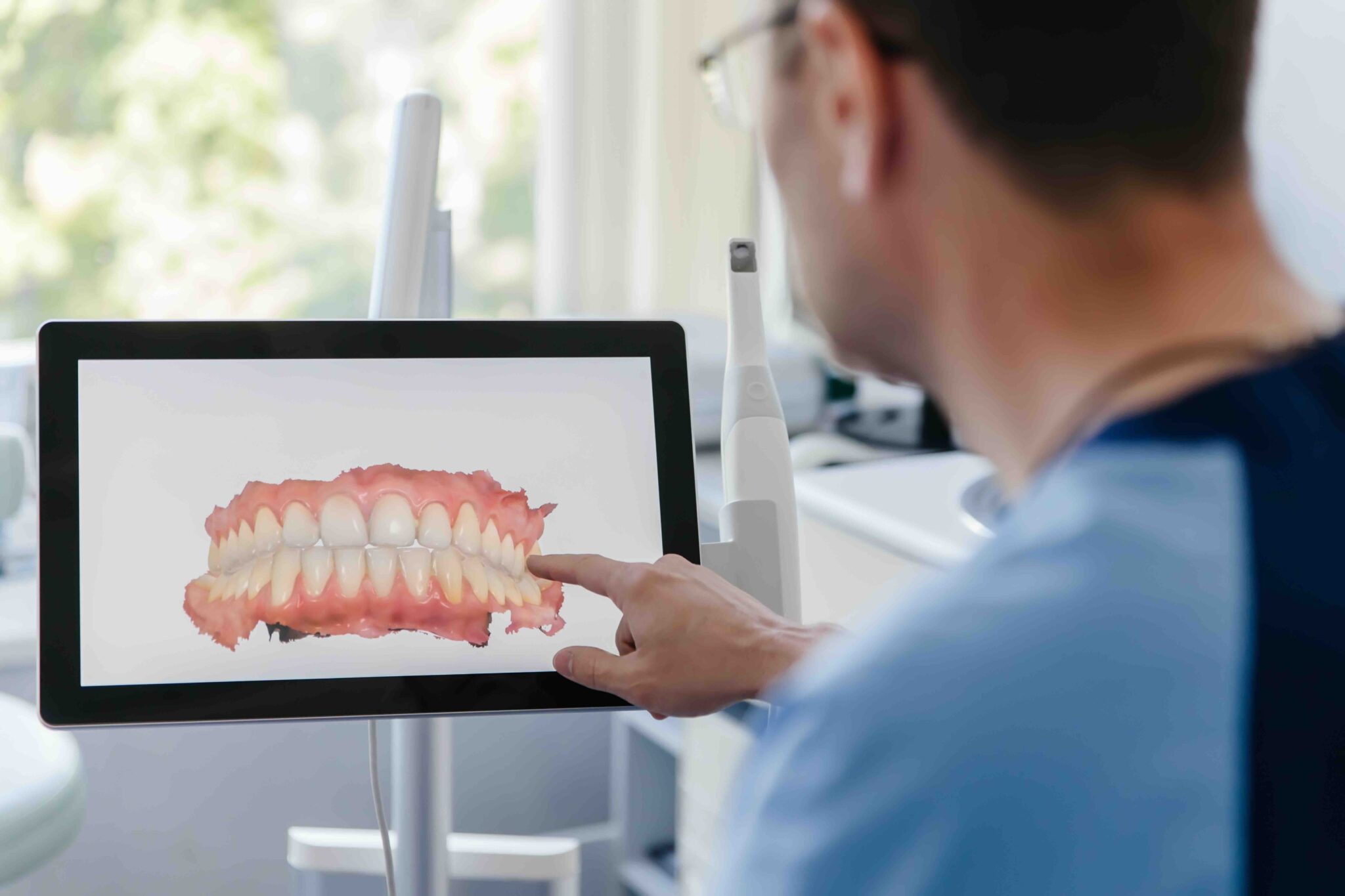
Digital technology has helped too. Instead of relying only on conventional putty impressions, many offices now use intraoral scanners that capture the tooth in detail. For patients, that often means more comfort and fewer remakes. For clinicians and labs, it can mean more precise communication. Precision matters because a crown that is even slightly off at the margin or bite can create recurring irritation, food trapping, soreness, or premature failure.
That said, “modern” does not automatically mean “better for everyone.” Some same-day systems are excellent, but not every case is ideal for a single-visit crown. Complex bites, difficult shade matching, or front teeth that demand fine aesthetic layering may still benefit from a skilled dental laboratory and a more traditional timeline. Good dentistry is not about choosing the newest option by default. It is about choosing the right one for the tooth in front of you.
The materials matter, but the tooth matters more
Patients often come in asking for “the strongest crown” or “the most natural-looking crown.” Those goals sound straightforward, yet every material has trade-offs. The right choice depends on where the tooth sits, how heavily it is used, whether the patient grinds, and how visible it is when talking or smiling.
Here are the most common crown materials and where they tend to fit best:
- Porcelain or ceramic crowns are often chosen for visible teeth because they can look highly natural and reflect light in a tooth-like way.
- Zirconia crowns offer impressive strength and are frequently used on back teeth, though some formulations also work well in visible areas.
- Porcelain fused to metal crowns have a long track record and can be durable, but they may show a dark margin over time, especially if the gums recede.
- Gold or other metal crowns remain excellent from a functional standpoint in certain back-tooth cases because they wear well and can be very kind to opposing teeth.
- Hybrid materials and layered ceramics can be useful in selected cases where the balance between strength and aesthetics needs careful fine-tuning.
What many patients do not see is that the material choice is only one part of the outcome. Preparation design, bite analysis, margin placement, and lab quality often influence longevity more than the label attached to the crown. A premium material used in the wrong situation can fail early. A less flashy material used thoughtfully can perform beautifully for years.
For example, a patient with severe nighttime grinding may love the idea of a highly translucent front crown. If the bite is not stabilized or a protective night guard is ignored, even an expertly crafted restoration can chip. On the other hand, a back molar with limited space between the upper and lower teeth may require a material that can stay strong at thinner dimensions. Those details drive real clinical decisions every day.
What the process usually looks like
The crown process is often simpler than patients expect, but it does require precision. The first step is always diagnosis. That means examining the tooth, reviewing X-rays, checking for cracks or decay under old dental work, and evaluating the gums and the bite. If a tooth has pain that suggests nerve involvement, additional treatment may be needed before a crown is placed.
Once the plan is clear, the tooth is shaped so the crown can fit securely around it. This stage removes a measured amount of outer structure and creates the contours that allow the final crown to seat properly. If a large portion of the tooth is missing, the dentist may need to rebuild part of the core before proceeding. In some cases, a post is placed inside a root canal treated tooth for added retention, though posts are used selectively and only when indicated.
After preparation, the office captures an impression or digital scan and records the bite. Shade selection is especially important for front teeth. A temporary crown is then placed if the final crown is being fabricated by a lab. That temporary is not just a placeholder. It protects the tooth, maintains spacing, and gives the patient a preview of shape and function.
At the delivery visit, the temporary comes off and the final crown is tried in. The dentist checks the fit at the edges, verifies contact with neighboring teeth, assesses color and contours, and adjusts the bite. Only when those details look right is the crown cemented or bonded into place.
Same-day crowns can compress that timeline into one visit, using in-office scanning and milling technology. For the right case, this can be efficient and convenient. Still, convenience should not outrank precision. If the tooth is in a high-visibility area or the bite is complicated, some patients do better with a lab-fabricated crown that allows more customization.
Why Los Angeles patients often ask different questions
Dental care is personal everywhere, but Los Angeles brings its own set of priorities. People in entertainment, media, hospitality, sales, and client-facing professions are often acutely aware of how their teeth appear on camera, in meetings, and in everyday conversation. They do not just want a crown that “works.” They want one that disappears into the smile.
At the same time, the pace of life in Southern California leads many patients to ask whether treatment can be done quickly, whether multiple concerns can be handled in the same phase of care, and whether the result will hold up under coffee, travel, inconsistent meals, and stress-related clenching. Those are practical concerns, not vanity.
One patient I have seen in situations like this had fractured a front tooth years earlier and lived with a mismatched crown that looked flat and opaque in photographs. Functionally it was acceptable, but aesthetically it drew the eye immediately. Replacing it was not about perfectionism. It was about restoring balance to the smile so the tooth no longer became the first thing people noticed. When the shape, shade, and surface texture were corrected, the whole smile looked healthier without looking “done.”
This is one reason the phrase Dental Crowns Los Angeles CA often leads patients to practices that emphasize both restorative dentistry and smile design. In visible areas, tiny details matter. The line angles, translucency at the incisal edge, and relationship of the crown to the gum tissue can change whether the result looks natural or merely expensive.
The bite is the silent deal-breaker
A crown can look beautiful and still fail if the bite is ignored. This is one of the least understood parts of crown treatment, and one of the most important.
Your teeth are not static. They meet thousands of times each day while chewing, swallowing, and unconsciously clenching. If a crown is even slightly high, the patient may notice soreness, tension, sensitivity, or the feeling that the tooth “hits first.” Over time, that extra force can stress the tooth, the crown, the cement seal, or the jaw muscles. In some cases, it can even contribute to fracture.
This issue is particularly relevant in Los Angeles, where stress-related grinding is common. Long commutes, demanding jobs, poor sleep, and heavy caffeine use are not unusual, and all of them can amplify clenching habits. A patient who breaks one crown is often not just unlucky. The restoration may be serving as the visible symptom of a larger bite or parafunction problem.
That is why a thoughtful dentist checks more than whether the crown fits on the tooth. They also study how it contacts during chewing and side-to-side movements. For patients with obvious wear patterns, cracked enamel, flattened edges, or morning jaw fatigue, a night guard may be as important as the crown itself.
Cost, longevity, and what affects value
Patients naturally ask how long a crown will last. There is no honest one-number answer. Some crowns last well over a decade, and many do. Others fail much sooner because of decay at the margin, fracture, gum disease, trauma, or uncontrolled grinding.
A reasonable expectation for a well-made crown on a well-maintained tooth is often in the 10 to 15 year range, sometimes longer. But that range depends heavily on the patient’s habits and the underlying condition of the tooth. A crown placed on a deeply compromised tooth with minimal remaining structure does not carry the same prognosis as a crown placed on a sturdier foundation.
Cost also varies. In Los Angeles, fees can reflect location, material, technology, the complexity of the case, and whether a specialist or high-end cosmetic practice is involved. Cheapest is rarely best in crown dentistry. If margins are rough, contours trap plaque, or shade matching is poor, the patient may end up paying again to correct the problem. Real value comes from durability, comfort, appearance, and preserving the tooth for as long as possible.
Insurance can help, but patients should read the details. Plans often cover crowns when they are deemed medically necessary, yet may not contribute toward elective upgrades in material or cosmetic refinement. It is worth asking whether the estimate includes buildup, temporary restoration, X-rays, or any additional treatment needed before the crown can be placed.
How to care for a crown so it lasts
Crowns do not get cavities, but the tooth underneath still can. The margin where crown meets tooth is especially important. Plaque that sits there can lead to recurrent decay or gum inflammation, both common reasons crowns need replacement.
A few habits make a meaningful difference:
- Brush thoroughly along the gumline and around the crown margins, not just the visible surfaces.
- Floss daily, sliding the floss carefully against the sides of the crown to keep contacts clean.
- Avoid using crowned teeth as tools for opening packages, cracking ice, or biting hard objects.
- Wear a night guard if you grind or clench, especially if your dentist has already mentioned wear or stress lines.
- Keep regular dental visits so small issues, like bite changes or cement washout, are caught early.
The biggest maintenance mistake is assuming a crowned tooth no longer needs attention. In practice, crowned teeth deserve more observation, not less. If food begins catching around the area, the bite feels different, or the gum starts Dental Crowns Los Angeles CA bleeding near that tooth, it is smart to have it checked before the issue grows.
When a crown may not be the best answer
Crowns are versatile, but there are limits. If a tooth is cracked far below the gumline, badly decayed into the root, or has severe bone loss from periodontal disease, placing a crown may not be a sound investment. In those situations, the dentist has to weigh whether the tooth is truly restorable.
Sometimes the better path is extraction followed by an implant, especially if the remaining tooth structure is too compromised to support a predictable crown. In other cases, a patient may want a crown for cosmetic reasons when a more conservative veneer or bonding approach would preserve more natural enamel. This is where experience and restraint matter. Ethical treatment planning does not force a crown onto every imperfect tooth.
There are also situations where gum health needs attention first. Inflamed or unstable tissue makes it harder to capture accurate margins and can compromise both the fit and appearance of the final restoration. A crown placed before the foundation is healthy often creates a cycle of frustration later.
Choosing a provider for Dental Crowns Los Angeles CA
Patients looking for Dental Crowns Los Angeles CA often focus on location and price first. Those factors matter, but crown work rewards a deeper look. This is restorative dentistry with long-term consequences. It affects how you chew, how your gums respond, and how your smile presents itself day after day.
A worthwhile consultation usually includes a close examination, imaging, discussion of options, and a clear explanation of why a crown is or is not the right solution. If the tooth sits in the smile zone, ask to see examples of comparable work. If you grind, ask how that will affect material selection and maintenance. If time matters, ask whether a same-day approach is appropriate for your specific case rather than simply available.
Pay attention to how the office talks about planning. Do they discuss the bite? Do they explain the condition of the underlying tooth? Do they mention gum health, shade matching, and what happens if the tooth needs additional treatment once the old filling or decay is removed? Those details often tell you more than marketing language.
The most successful crown cases share a common thread. The dentist is not just filling a hole or covering a flaw. They are restoring a tooth in context, with respect for biology, mechanics, and appearance. That is what gives a crown the best chance to feel comfortable, look natural, and serve for years.
A damaged smile can affect far more than appearance. It can change the way you eat, the way you speak, and the way you carry yourself socially and professionally. Modern crowns offer a dependable way to rebuild that lost confidence, but only when the treatment is tailored to the real condition of the tooth and the real demands of the patient’s life. In Los Angeles, where aesthetics and performance often need to coexist, that kind of customized approach is not a luxury. It is simply good dentistry.
Simple Dental Vermont
Address: 8914 S Vermont Ave, Los Angeles, CA 90044
Phone number: +13239493000
FAQ About Dental Crowns Los Angeles CA
How much do crowns cost per tooth?
In the United States, a single dental crown typically costs between $800 and $2,500 per tooth without insurance. The ultimate out-of-pocket price depends heavily on the crown material, the location of the tooth, and whether you have dental insurance coverage.
What is the downside of crowns on teeth?
The primary downside of a dental crown is that the procedure permanently removes natural tooth enamel to shape the tooth for the cap.
Why do dentists push for crowns?
Dentists recommend crowns because a large filling cannot provide enough strength when a tooth loses a major portion of its structure or faces heavy chewing pressure.