Dental Crowns Los Angeles CA: Restore Confidence in Your Smile
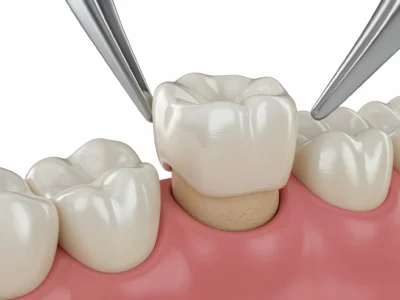

A damaged tooth can change more than your bite. It can alter the way you chew, the way you speak, and the way you feel when you laugh without thinking. I have seen people adapt to a cracked molar or a darkened front tooth for months, sometimes years, because they assume the fix will be complicated, expensive, or purely cosmetic. Often, a well-made dental crown is the treatment that brings everything back into balance.
For patients searching for Dental Crowns Los Angeles CA, the decision usually starts with one practical question: can this tooth be saved? When the answer is yes, a crown often becomes the workhorse solution. It protects what remains of the natural tooth, restores shape and strength, and in many cases makes the tooth look better than it has in a long time.
Los Angeles is a city where appearance matters, but function matters just as much. People here talk for a living, smile on camera, rush between meetings, sip iced coffee in traffic, and grab meals late. Teeth take a beating. Crowns are not glamorous, but they are one of the most useful restorations in modern dentistry because they solve real problems in a durable, predictable way.
What a dental crown actually does
A crown is a custom-made covering that fits over a prepared tooth. Think of it as a protective shell engineered to handle biting forces while blending with the rest of the smile. It is not the same as a filling. A filling repairs a smaller area. A crown takes over when too much tooth structure has been lost, weakened, worn down, or fractured.
That distinction matters. Once a tooth has a large crack, a large old filling, or root canal treatment, simply patching it again can become a short-term solution. The remaining tooth walls may be too thin to hold up under pressure. A crown wraps around that vulnerable structure and redistributes force more safely.
On front teeth, crowns can also improve color, contour, and alignment when more conservative options are not enough. On back teeth, the goal is usually strength first, appearance second. The best treatment plans respect both priorities.
Why crowns are so common in a busy city
Los Angeles patients often arrive with a mix of cosmetic concerns and structural problems. One person wants to replace a discolored crown from 15 years ago before a wedding. Another broke a cusp on a molar while chewing granola in the car. Someone else has severe nighttime grinding and keeps fracturing fillings. Crowns show up in all of these situations because they are versatile.
There is also the reality of delayed dental care. Plenty of adults put off treatment until a small crack becomes pain or a cavity under an old filling grows too large for a simple repair. By the time they come in, the tooth may still be salvageable, but it needs full coverage to survive long term.
The good news is that crowns have come a long way. Modern materials are more natural-looking, digital scans have improved precision, and many cases can be completed more efficiently than in the past. That does not mean Dental Crowns Los Angeles CA every crown is equal. The quality of the preparation, bite design, material selection, and final fit still determines how well the restoration performs.
When a crown makes sense, and when it may not
A crown is often recommended when a tooth has lost too much structure to support a filling safely. That might happen after a deep cavity, a fracture, root canal treatment, severe wear, or replacement of a failing large restoration. Crowns can also be used on dental implants and as anchor teeth in certain bridges.
Still, a crown is not the answer to every problem. If a tooth can be restored conservatively with a bonded filling or inlay, many dentists prefer to preserve more natural enamel. That is usually the better long-term biologic choice. Healthy tooth structure is valuable, and once it is removed, it does not grow back.
At the other end of the spectrum, some teeth are too compromised to save predictably. If decay extends too far below the gumline, the root is fractured, or there is too little stable tooth left, placing a crown may only postpone failure. This is where good clinical judgment matters. Patients deserve honesty, not optimism that sounds good for six months and ends in extraction later.
The materials matter more than most people realize
Patients often ask, “What kind of crown is best?” There is no universal answer. The best crown depends on the tooth, the bite, esthetic goals, and habits like clenching or grinding.
Porcelain and ceramic crowns are popular because they can look remarkably natural, especially on visible teeth. High-strength ceramics can also perform very well on molars, though case selection is important. Zirconia is valued for strength and is frequently used in areas that take heavy force. Porcelain-fused-to-metal crowns are still around and can be reliable, though they may show a dark line near the gums over time and are less esthetic for many patients. Full gold crowns remain one of the most durable options ever made for back teeth, even if fewer patients choose them now for cosmetic reasons.
The right material is not just about what is strongest on paper. A crown has to work within a person’s actual bite. Someone who clenches heavily may chip layered porcelain. Someone with a high smile line may care deeply about translucency and edge blending. A patient with a very short tooth may need a material and design that maximizes retention. These are not showroom choices. They are clinical decisions.
The process from first visit to final result
Most crowns require a sequence that starts with diagnosis and ends with careful adjustment. The tooth is examined, often with X-rays, and the dentist checks for cracks, decay, nerve symptoms, gum health, and how the upper and lower teeth meet. If the tooth is restorable, it is shaped to create room for the crown and to establish the proper path of placement.
Traditionally, an impression is taken and a temporary crown is placed while the lab fabricates the final restoration. Digital scanning has improved this step substantially. Many patients prefer it because it avoids the bulkier impression materials that used to make some people gag. In some offices, same-day crowns are possible, though not every case is ideal for that workflow.
The final appointment is not a simple handoff. The fit at the edges, the contact with neighboring teeth, the shade, and the bite all need to be checked. A crown that is even slightly high can make a tooth feel sore or create jaw tension. A contact that is too loose can trap food constantly. Good dentistry often looks uneventful from the chair because the real work is in details patients should never have to think about again.
What the temporary crown can teach you
Temporary crowns tend to be underrated. Patients often see them as a placeholder, but they can reveal a lot. If the temporary feels bulky, rough, or catches your bite awkwardly, that feedback is useful. It can guide refinements in the final crown.
I have heard patients describe the temporary phase as the first time they realize how much they had been chewing around a damaged tooth. They notice they are no longer protecting one side of the mouth or avoiding cold drinks. Even when the temporary is not perfect, it offers a preview of restored structure. That matters psychologically. A person who has been embarrassed by a broken premolar often relaxes the moment the tooth looks whole again.
Crowns on front teeth require a different eye
Restoring a front tooth is a different discipline than restoring a back molar. Strength still matters, but esthetics become far more demanding. Natural front teeth are not flat blocks of white. They have depth, texture, subtle translucency near the edges, and shade variation that changes in different lighting. Matching one front tooth to the neighboring teeth can be harder than making a full set look uniformly bright.
Los Angeles patients are often highly attuned to this. They see themselves on Zoom, on social media, and in strong natural light. They know when a tooth looks opaque or too perfect. A good front-tooth crown should not announce itself.
This is one reason lab communication matters. Shade photos, stump shade, surface characterization, and gum contours can make the difference between a crown that blends and one that looks manufactured. In more demanding esthetic cases, some dentists involve the patient in a custom shade appointment with the ceramist. That extra step is not always necessary, but when it is, it pays off.
Back teeth ask for durability and balance
Molars and premolars carry tremendous force. If you grind your teeth, chew ice, or have a history of breaking restorations, that information should shape the design. A beautiful crown that fractures in two years is not a success.
For back teeth, the bite is everything. The crown has to support chewing while respecting the way the jaw moves. If it is overcontoured, food can pack against the gum. If it is too flat, chewing efficiency suffers. If the bite is off, patients may describe it as a strange pressure they cannot ignore, even if they cannot pinpoint exactly why.
This is where experience counts. Many post-cement sensitivity complaints are not due to the material itself. They come from bite discrepancies, exposed dentin during preparation, or teeth that already had borderline nerve health before treatment began. That does not make the discomfort imaginary. It means the cause has to be diagnosed correctly instead of dismissed.
What dental crowns can cost in Los Angeles
Patients are right to ask about cost early. Dental fees in Los Angeles vary considerably based on the office, the material, the complexity of the case, whether build-up or root canal treatment is needed, and whether insurance contributes. A straightforward crown on a healthy tooth is very different from a heavily broken tooth that needs foundation work before the crown can even be placed.
In general, the fee for a crown in Los Angeles often reflects more than the crown itself. It includes the diagnostic work, the preparation, the temporary, the final delivery, and the judgment involved in making the restoration last. The least expensive option is not always the most affordable over time if it fails early or leads to gum irritation, recurrent decay, or bite problems.
Patients should also understand that insurance may categorize crowns in ways that do not align perfectly with clinical reality. Some plans cover crowns only when certain criteria are documented. Some downgrade coverage to a less costly material. Others have waiting periods or annual maximums that can make timing part of the strategy.
Questions worth asking before you commit
Choosing a provider for Dental Crowns Los Angeles CA should not feel like buying a commodity. The crown is custom treatment, not a generic product. A few practical questions can reveal a lot about how an office approaches care.
- What material do you recommend for my specific tooth, and why?
- Is the tooth likely to need a build-up or root canal treatment as part of the process?
- Will you use a digital scan, a traditional impression, or either depending on the case?
- What happens if the bite feels off or the crown needs an adjustment after placement?
- How do you evaluate whether the tooth is predictable enough to save?
Those questions shift the conversation from sales language to treatment reasoning. A thoughtful answer usually sounds calm, specific, and tailored to the tooth in front of them.
How long crowns last in real life
Patients love exact timelines, but longevity is never identical from one mouth to another. Many crowns last well over a decade, and some last much longer. Others fail earlier because of decay at the margin, heavy grinding, poor hygiene, gum recession, or fractures in the underlying tooth.
The crown itself is only part of the story. The tooth underneath still matters. If plaque sits around the edge consistently, decay can develop where crown meets tooth. If the patient clenches at night and never uses the night guard that was recommended, something eventually gives, either the porcelain, the cement seal, the opposing tooth, or the crown margin.
I often tell patients that crowns are durable, not indestructible. That framing helps. People take better care of restorations when they understand the goal is to extend the life of both the crown and the tooth supporting it.
The days after placement
A new crown should feel like a normal part of your mouth fairly quickly. Mild sensitivity to temperature or pressure can happen at first, especially if the tooth had a deep filling before treatment. The gum around the tooth may also feel slightly tender for a short period.
What should improve with time is awareness. Most patients stop noticing the crown once the bite is balanced and the tissues settle. If the tooth feels too tall, if floss shreds, if food packs between teeth, or if pain increases instead of easing, that deserves attention. Small adjustments made early can prevent bigger problems later.
A practical tip many patients appreciate is to chew a little more carefully on the temporary side until the final crown is placed, especially with sticky foods. Temporary cement is designed for retrievability, not permanence. It holds well, but caramels and very chewy foods have ended many temporaries ahead of schedule.
Caring for a crown without overcomplicating it
The care routine for a crown is not exotic. It is the same disciplined oral hygiene that preserves natural teeth, with a little more attention to the crown margins and the gums around them.
- Brush thoroughly along the gumline twice a day.
- Floss daily and slide the floss gently against the side of the crown.
- Wear a night guard if you clench or grind.
- Keep regular checkups so margins, bite, and surrounding gums can be monitored.
- Avoid using teeth as tools for packages, caps, or hard objects.
There is no special mouthwash that substitutes for good cleaning. If a crown fails from recurrent decay, the usual culprit is neglect at the edge where restoration meets natural tooth.
Cosmetic hopes versus structural reality
One of the more delicate conversations in dentistry happens when a patient wants a crown mainly for cosmetic reasons, but the tooth does not clearly need one structurally. That is not a simple yes or no decision. Sometimes a crown is justified because the tooth already has extensive restorations, discoloration that cannot be corrected predictably with whitening, and shape issues that veneers may not address well. In other cases, removing healthy tooth structure for a cosmetic crown is more treatment than the situation calls for.
The best dentists do not reach for crowns just because they can. They weigh alternatives such as whitening, bonding, orthodontics, veneers, or simply leaving a healthy tooth alone. Restraint is part of good care. So is recognizing when a crown is the most stable, efficient answer.
Why experience and communication matter in Los Angeles
In a city with endless options, patients can be lured by speed, price, or marketing language. None of those factors tell you whether the crown margin will be smooth, whether the contact point will trap food, or whether the bite will be adjusted with patience. Crowns succeed when technical skill meets careful Dental Crowns Los Angeles CA communication.
A rushed consultation can miss important clues. A patient mentions they wake with headaches and jaw tightness, but nobody asks about grinding. Another says a tooth hurts when biting on one side, but the issue is labeled “just a cavity” when a crack may be involved. These details shape treatment.
Los Angeles also has a uniquely diverse patient base with different expectations, schedules, and health histories. Some want the strongest option because they travel constantly and need durability. Others prioritize esthetics because they are on camera every day. Some need phased treatment because several teeth are failing at once. Good crown work does not come from a one-size-fits-all script. It comes from matching the restoration to the person.
Restoring confidence is not a small thing
Patients often apologize for caring how their teeth look. They should not. Confidence is part of health. A person who has been covering their mouth when they laugh or avoiding photos because of a broken tooth feels that burden every day.
One patient I remember had a fractured upper premolar that showed every time she smiled broadly. She had adapted by tightening one side of her lip in photos, something she had not even realized she was doing until after the crown was placed. At the follow-up, she said the biggest change was not pain relief. It was that she stopped thinking about the tooth at all. That is a quiet but meaningful outcome.
A successful crown should do exactly that. It should restore function so chewing feels normal, restore appearance so the tooth blends naturally, and restore ease so the patient forgets the problem that used to dominate their attention.
For anyone researching Dental Crowns Los Angeles CA, that is the real value. Not just a covered tooth, but a tooth that can do its job again without pulling focus from the rest of your life.
Simple Dental Vermont
Address: 8914 S Vermont Ave, Los Angeles, CA 90044
Phone number: +13239493000
FAQ About Dental Crowns Los Angeles CA
How much do crowns cost per tooth?
In the United States, a single dental crown typically costs between $800 and $2,500 per tooth without insurance. The ultimate out-of-pocket price depends heavily on the crown material, the location of the tooth, and whether you have dental insurance coverage.
What is the downside of crowns on teeth?
The primary downside of a dental crown is that the procedure permanently removes natural tooth enamel to shape the tooth for the cap.
Why do dentists push for crowns?
Dentists recommend crowns because a large filling cannot provide enough strength when a tooth loses a major portion of its structure or faces heavy chewing pressure.