Everything You Need to Know Before Getting Dental Crowns
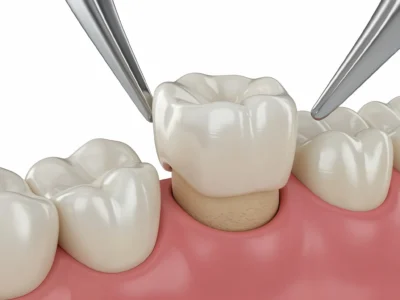

A dental crown sounds simple enough, a cap that fits over a tooth. In practice, the decision to get one sits at the intersection of function, cost, appearance, and long term maintenance. Some people need a crown after a root canal. Others hear about it when a large filling starts to fail, or when a cracked tooth begins to hurt every time they chew on one side. The treatment is common, but the details matter more than many patients realize at the first consultation.
A well made crown can protect a weakened tooth for many years and restore normal biting, speech, and appearance. A poorly chosen crown, or a crown placed without a clear plan, can lead to frustration, bite problems, sore gums, repeated appointments, or even the loss of the tooth underneath. That is why it helps to understand what a crown actually does, when it is the right solution, what the alternatives are, and what daily life looks like after treatment.
What a dental crown really is
A dental crown is a custom restoration that covers most or all of the visible part of a tooth above the gumline. Unlike a filling, which replaces a smaller portion of tooth structure, a crown wraps around the tooth and distributes chewing forces more broadly. The usual goal is not just to make the tooth look whole again, but to help it survive normal use.
Dentists recommend crowns when a tooth has lost too much structure to hold a filling reliably, when a crack threatens the tooth’s strength, or when an existing restoration keeps breaking down. Crowns are also used to improve the shape or color of teeth in selected cosmetic cases, although that tends to be a more conservative conversation now than it was years ago. Good dentistry increasingly favors preserving natural tooth structure whenever possible.
One point worth clearing up early: a crown is not indestructible. Patients sometimes hear the word cap and picture something permanent and bulletproof. In reality, crowns can chip, loosen, wear down, trap decay at the margin, or fail if the tooth underneath develops a new problem. They are durable restorations, not lifetime guarantees.
Why people end up needing one
The most common path to a crown starts with a tooth that has already had a lot done to it. A small cavity gets a filling. Years later, the filling is replaced with a larger one. Then a corner of the tooth fractures, or the filling leaks, or the tooth becomes sensitive under pressure. At that point the remaining walls of the tooth may be too thin to handle daily chewing. A crown becomes a way to hold the tooth together.
Teeth that have had root canal treatment often need crowns, especially molars and premolars. After a root canal, the tooth can become more brittle over time and may already be structurally Dental Crowns compromised from decay, old fillings, or the access opening made during treatment. The crown is there to protect what remains.
Cracked teeth are another big category. Sometimes the crack is obvious, with a visible split or a piece that broke off. Sometimes it is subtle, with pain only when biting or when releasing pressure after chewing. Those teeth can be tricky. A crown may help by binding the tooth and reducing flex during function, but not every crack is treatable. If the crack extends too far below the gum or into the root, the prognosis drops sharply.
There are also cosmetic and restorative situations, such as severely worn teeth, developmental defects, or replacing a very misshapen front tooth. In those cases, the conversation broadens beyond protection and into smile design, bite stability, and whether less invasive options might work.
Signs a crown may be on the table
A diagnosis should always come from an exam and imaging, but certain patterns tend to push the discussion toward Dental Crowns:
- A tooth has a very large filling and not much natural enamel left around it.
- A piece of the tooth has fractured, especially if a cusp broke off a back tooth.
- The tooth hurts when chewing, and the dentist suspects a crack.
- A root canal has been completed on a back tooth that takes heavy biting force.
- An older crown or filling keeps failing and there is not enough structure left for another simple repair.
Even here, context matters. A small front tooth chip does not automatically need a crown. A heavily restored molar that looks fine in the mirror may need one urgently. The location of the tooth, your bite, grinding habits, and the amount of remaining structure all shape the recommendation.
When a crown may not be the best answer
One of the most useful questions to ask is not “Can this tooth be crowned?” but “Should it be crowned?” Many teeth can technically receive crowns, yet another option may preserve more tooth or serve the situation better.
If decay extends deep below the gum and onto the root, the tooth may have very little healthy structure left to support a crown. In that case, the restoration may look fine on the day it is cemented but have a short life expectancy. If a tooth has a vertical root fracture, a crown will not solve the underlying problem. If advanced gum disease has severely loosened the tooth, covering it with porcelain or zirconia will not restore bone support.
On the other side, some teeth that once would have been crowned can now be restored with bonded onlays or partial coverage restorations, especially when strong adhesive techniques are possible. These options preserve more natural tooth. They are not ideal in every case, but they are worth discussing if the situation allows.
Extraction and replacement, whether by implant or bridge, also enters the conversation when a tooth has a poor long term prognosis. People often assume saving the natural tooth is always best. Usually it is, but not if the tooth is likely to fail soon after significant expense and time. Good treatment planning involves honest math, not just optimism.
The main crown materials and how they differ
Patients are often surprised that “a crown” is not a single thing. Material choice changes the look, strength, thickness, cost, and in some cases the amount of tooth reduction required.
Porcelain fused to metal crowns were once the standard. They have a metal substructure for strength and porcelain layered on top for appearance. They still work well in many cases, particularly where durability matters and the cosmetic demands are moderate. Their weakness is esthetics at the margin. Over time, some show a dark line near the gum, especially if the gums recede.
All ceramic crowns include materials such as lithium disilicate and layered porcelains. These often produce excellent esthetic results, especially for front teeth, because they can mimic the translucency and depth of natural enamel. They can also be more technique sensitive, and some ceramic options are less forgiving in patients with heavy grinding unless the case is planned carefully.
Zirconia crowns have become extremely common, especially for back teeth. They are strong, can be milled accurately, and in many cases require less thickness than older ceramics. Early zirconia sometimes looked too opaque or chalky for visible areas, but modern versions are better than they used to be. Even so, the best cosmetic match in the front teeth may still come from other ceramics when appearance is the top priority.
Gold and other metal crowns remain excellent restorations from a purely functional standpoint. They fit well, wear in a tooth friendly way, and can last a very long time. Their obvious drawback is appearance. Some patients still choose them for molars far in the back, particularly if they value longevity over cosmetics. Dentists who have seen old gold crowns still functioning after decades tend to respect them for good reason.
There is no universal best material. A front tooth in a patient with a high smile line calls for different thinking than a second molar in a person who clenches at night.
What happens during the crown process
The traditional process usually takes two visits. At the first appointment, the dentist examines the tooth, removes decay or old restorative material, and shapes the tooth so the crown can fit over it. If a large portion of the tooth is missing, a buildup may be placed first to create a proper foundation. Impressions or digital scans are then taken and sent to a lab, unless the office makes same day crowns in house. A temporary crown usually protects the tooth while the final one is fabricated.
That temporary phase deserves more respect than it gets. A temporary crown is not just a placeholder. It helps test comfort, shape, contact with neighboring teeth, and general function. If a temporary feels high when you bite, traps food, or irritates the gums, that is useful information. It may point to an issue that should be corrected before the final crown is cemented.
At the second appointment, the dentist removes the temporary, checks the final crown’s fit, contact points, shade, and bite, then cements or bonds it into place. Sometimes adjustments are minor. Sometimes they are more involved, particularly when the bite is complex or the tooth sits in a very visible part of the smile.
Same day crowns can streamline the process. For selected cases, the tooth is prepared, scanned, designed, milled, and placed in one visit. Patients often like the convenience. Still, same day does not automatically mean better. Complex esthetic cases, unusual bite situations, or edge cases with challenging margins may benefit from a skilled lab technician’s layered work and a more measured timeline.
How much of the tooth gets removed
This is one of the most important issues and one of the least discussed in everyday language. A crown requires space. To make that space, the dentist removes some healthy outer tooth structure. How much depends on the material, the tooth’s position, the existing damage, and the goals of the restoration.
That trade off is why dentists do not place crowns casually. Once a tooth is prepared for a full crown, you are committed to a cycle of restorative maintenance for that tooth. That does not mean the choice is bad. Often it is exactly the right choice. But patients should understand that a crown is not a reversible cosmetic accessory. It is a structural intervention.
Well planned crowns remove what is necessary and no more. Poorly planned crowns can over reduce a tooth, bringing the nerve at risk or weakening the remaining core. If you are getting a crown on a relatively intact tooth for appearance alone, it is especially reasonable to ask whether veneers, bonding, orthodontics, whitening, or other options could meet your goals more conservatively.
Does getting a crown hurt?
Most crown procedures are done with local anesthetic and are manageable for the vast majority of patients. The preparation appointment is usually the longer visit. You may feel pressure, vibration, water spray, and the awkwardness of keeping your mouth open, but sharp pain should be controlled.
Afterward, some soreness is normal. The gum around the tooth may feel tender for a few days. The tooth itself may be temperature sensitive, especially if it was vital and had not undergone root canal treatment. Temporary crowns can also feel slightly different from natural teeth, which some patients notice more than actual pain.
The bigger concern is not routine discomfort but lingering symptoms. If a newly crowned tooth remains sharply sensitive to cold weeks later, hurts on biting, or feels too tall no matter how many days pass, it needs to be checked. A high bite can leave a patient miserable, and a tooth with inflamed pulp may eventually require root canal treatment even if the crown itself looks perfect.
How long crowns last, realistically
Patients usually want a firm number. Realistically, crown longevity varies. Many last ten to fifteen years, and plenty last longer. Some fail much sooner. That spread is wide because the crown’s fate depends on more than the material.
A beautifully fabricated crown on a tooth with deep decay near the root can still have a guarded prognosis. A decent crown on a stable tooth in a low risk patient may last for many years. Oral hygiene, cavity risk, grinding, bite forces, gum health, and the quality of the margin all matter. So does the simple fact that crowns live in a harsh environment. Hot coffee, ice water, acidic drinks, sticky candy, nighttime clenching, and years of plaque accumulation all take their toll.
One common misunderstanding is that because the tooth is covered, it can no longer decay. In fact, the weak point is often the margin where the crown meets the tooth. If plaque builds up there, or if cement washes out over time, decay can start at the edge and spread underneath. Many failed crowns are not broken crowns. They are crowns hiding new decay.
Cost, insurance, and why estimates vary so much
The price of Dental Crowns varies by region, material, office overhead, and complexity. A straightforward crown on a healthy gumline is not the same as a crown that needs build up, core reinforcement, gum recontouring, or treatment after a crack is discovered mid procedure. Lab fees also differ widely depending on material and craftsmanship.
Insurance can reduce the cost, but policies often include waiting periods, frequency limitations, annual maximums, and rules about whether the procedure is considered medically necessary. Some plans cover a crown only if a tooth is broken or decayed beyond a certain threshold. Others downgrade reimbursement to a base metal crown even if a ceramic option is chosen.
Patients are often frustrated by how large the out of pocket numbers can be. That frustration is understandable. Still, it helps to compare total value rather than just sticker price. A lower fee means less if the restoration needs repeated adjustment, traps food, or fails early. At the same time, a higher fee does not guarantee excellence. Ask what is included, what material is being used, whether a buildup is anticipated, and how the office handles remakes or post placement if needed.
The questions worth asking before you say yes
A short conversation before treatment can save a lot of uncertainty later. Useful questions include:
- Why is a crown the best option for this tooth rather than a large filling, onlay, veneer, or extraction?
- How much healthy tooth structure is left, and what is the long term prognosis?
- What material do you recommend for this location and my bite habits?
- Is there any sign that I might still need a root canal later?
- Will I need a night guard if I grind or clench?
These questions do more than gather facts. They tell you how your dentist thinks. A careful answer usually includes nuance. If every question gets the same reflexive response, or if concerns about alternatives are brushed aside, it is reasonable to slow down and ask for clarification.
Temporary crowns, bite changes, and little annoyances that matter
People tend to focus on the final crown, but many complaints start during the temporary period. Temporary crowns can come loose. They can collect plaque around the edges and make the gums puffy if they stay on too long. They can also give false reassurance. A temporary made a bit out of occlusion may feel great, while the final crown brings the tooth fully back into function and reveals the true bite dynamics.
Food trapping between the new crown and the adjacent tooth is another common issue. Patients describe it as floss snapping through too easily or fibrous food packing every time they eat. That usually points to contact problems. It may seem minor in the chair, but over months it can become genuinely irritating and contribute to gum inflammation.
Shade matching matters too, especially in front teeth. Teeth are not one flat color. They have translucency, texture, and small variations from edge to neck. The best cosmetic crowns account for that. If appearance matters a great deal, ask whether photos, custom shading, or lab communication will be part of the process. A quick match under overhead operatory lighting is not always enough.
Special situations that change the decision
A patient who grinds at night is a different crown patient from someone with a gentle bite. Bruxism increases the risk of porcelain chipping, crown fracture, and soreness in the supporting tooth. In those cases, material choice and night guard use become more important.
Young patients require caution because their teeth often have larger pulps and less wear, which can make aggressive preparation riskier. Older patients may have gum recession and exposed root surfaces, which affect both esthetics and decay risk around crown margins.
Front teeth carry a heavier cosmetic burden but lower chewing force than molars. Molars demand strength and bite precision but are usually less visible. Patients with dry mouth, high cavity risk, acid reflux, or heavy soda intake face a greater chance of decay at crown margins. Someone with excellent hygiene and stable gums may do beautifully with a restoration that would struggle in a higher risk mouth.
This is why treatment planning is never just about the one tooth. It is about the whole environment that tooth lives in.
Caring for a crown once it is placed
The maintenance is not complicated, but it does have to be consistent. Brush carefully at the gumline. Floss daily, including around the crown, and use a flossing technique that cleans the margin without snapping hard into the gums. If your dentist recommends interdental brushes or a water flosser because of the shape of the area, use them.
If you clench or grind, wear the night guard if one is prescribed. Patients often spend a substantial amount on a crown and then resist the guard that could help protect it. That false economy shows up later as chips, soreness, or fractures.
Pay attention Dental Crowns to changes. A crown that suddenly feels rough, catches floss, develops a bad odor around the gumline, or becomes sensitive should not be ignored. Small margin leaks and early recurrent decay can be far easier to manage if caught early.
Routine dental visits matter here. Many crown failures begin silently. Radiographs and clinical exams often spot trouble before pain does.
The bottom line on whether a crown is worth it
For the right tooth in the right circumstances, a crown can be an excellent investment in comfort and function. It can save a heavily restored tooth, protect a root canal treated molar, or restore confidence when a visible tooth has been badly damaged. It can also be overused, poorly planned, or chosen in cases where the long term outlook is weak from the start.
The best decision usually comes from a clear diagnosis, not from fear of losing the tooth or from a rushed sales conversation. Ask what problem the crown is solving. Ask what could happen if you wait. Ask what the realistic lifespan is in your mouth, not in an idealized textbook case. And make sure you understand the trade off: a crown can preserve a compromised tooth, but it also commits that tooth to a lifelong cycle of restorative care.
That may sound serious, but it is simply the reality of dentistry. Teeth age, restorations wear, habits matter, and good outcomes come from good planning. If you go into the process with that level of clarity, you are far more likely to end up with a crown that feels natural, functions well, and holds up the way it should.
Simple Dental Vermont
Address: 8914 S Vermont Ave, Los Angeles, CA 90044
Phone number: +13239493000
FAQ About Dental Crowns
How much do crowns cost per tooth?
In the United States, a single dental crown typically costs between $800 and $2,500 per tooth without insurance. The ultimate out-of-pocket price depends heavily on the crown material, the location of the tooth, and whether you have dental insurance coverage.
What is the downside of crowns on teeth?
The primary downside of a dental crown is that the procedure permanently removes natural tooth enamel to shape the tooth for the cap.
Why do dentists push for crowns?
Dentists recommend crowns because a large filling cannot provide enough strength when a tooth loses a major portion of its structure or faces heavy chewing pressure.